
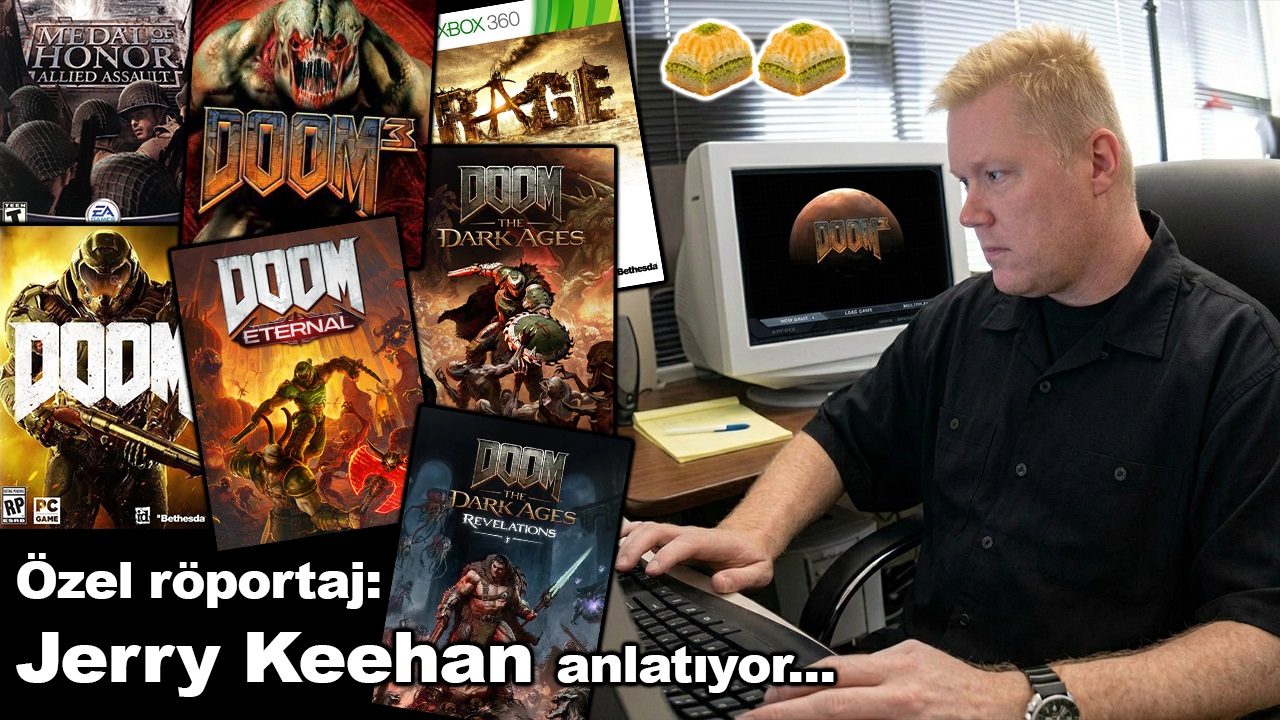
Scroll down for the English version of the interview!
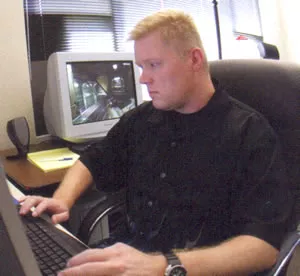
Jerry Keehan, id Software efsanelerinden biri. Bölümler tasarladı, metinler yazdı, ekiplere liderlik etti. 20 yılı aşkın süredir bu stüdyoda pek çok harika oyunun hazırlanılmasına yardım etti.
Her şeye orijinal DOOM ve DOOM II için haritalar yaparak başlayan Keehan, daha sonra Medal of Honor ve Delta Force gibi markalar üzerinde de çalıştı.
Ve tabii ki en önemli durağı, pek az kişinin ulaşabileceği bir zirve olan id Software’dı!
–
Mahmut Saral (MS): Sevgili Jerry, röportaj teklifimi kabul ettiğin için teşekkür ederim! Öncelikle, biraz kendinden bahseder misin?
Jerry Keehan (JK): Şu an 59 yaşında; 35 yıldır evli olan, dört çocuk babası ve yedi torun sahibi biriyim. Kabaca 26 yıldır oyun endüstrisindeyim. Bundan öncesinde, 14 yıl boyunca Amerika Birleşik Devletleri Hava Kuvvetleri (USAF) üyesiydim. Haliyle ailemle vakit geçirmekten çok hoşlanıyorum. Öte yandan, ilk Atari 2600’ümden bu yana oyunlarla birlikteyim ve günümüzde de keyif almayı sürdürüyorum!
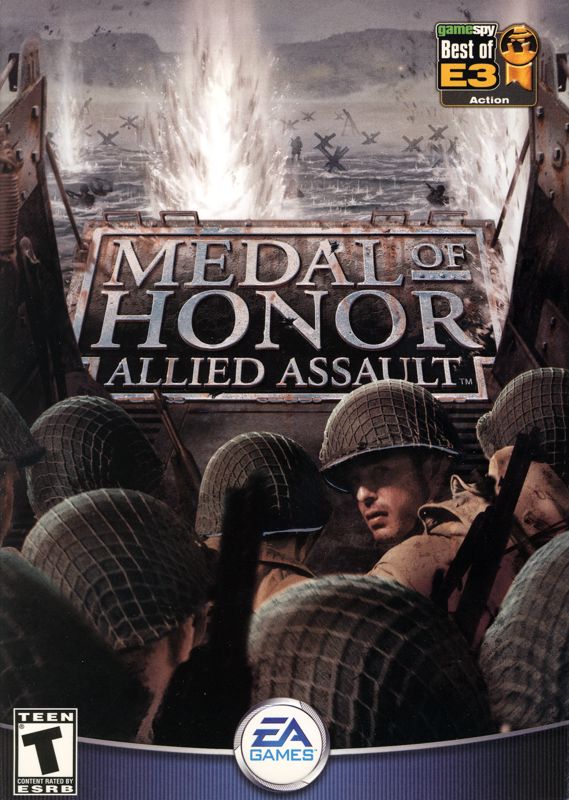
MS: Hava silahları direktörü olarak çalışıyorken 2015, inc. ekibine dahil oldun ve burada Quake 3 motoruyla inşa edilen Medal of Honor: Allied Assault üzerinde çalıştın. Peki bu süreç nasıl gelişti?
JK: En başta, evdeyken DOOM ve DOOM 2’ye bölümler yapıyordum ve Quake 3 çıkıp da mod topluluğuna iyice dahil olana kadar buna devam ettim. Dürüst olmak gerekirse oyun endüstrisinde çalışabileceğim bir potansiyelin olduğunun farkında değildim. Tasarladığım bölümleri arkadaşlarımla oynardık. Günün birinde bir arkadaşım, Tim Willits’in bir .plan dosyası yayımlayarak yeni proje için bölüm tasarımcıları aradığını söyledi. Ben de Tim Willits’e bir e-posta gönderdim. Böylece hiç tahmin etmediğim bir yola, id Software’daki bölüm tasarımcılığına uzanan yola girmiş oldum! Ama…
Hava Kuvvetleri’ndeki işim, kritik düzeyde bir pozisyondu ve personel ihtiyacı yüksekti. Dolayısıyla id Software’daki bu iş imkânını değerlendirebilmek için Hava Kuvvetleri’nden o sırada ayrılma şansım olmadı.
Bundan kısa bir süre sonra ise 2015, inc.’ten benimle iletişime geçildi. Mod topluluğundan biri, o sıralar orada bölüm tasarımcısı olarak görev alıyordu ve bana henüz duyurulmamış bir Medal of Honor projesi için bölüm tasarımcıları aradıklarından söz etti. Evet, Electronic Arts için. Böylece 2015, inc. ile sözleşmeli olarak çalışmaya başladım ve Hava Kuvvetleri ile olan sözleşmem bitince de tam zamanlı bölüm tasarımcısı olarak stüdyodan teklif aldım.
MS: Medal of Honor, zamanı için gerçekten önemli bir oyundu. Ama bu projenin ardından ekipten pek çok kişi ayrıldı ve Infinity Ward’ı kurarak Call of Duty’yi ortaya çıkardılar. Sen ise Ritual Entertainment’a geçiş yaptın. Merak ediyorum da, Infinity Ward’a geçiş yapma şansın var mıydı o sıra? Bu arada, Delta Force Black Hawk Down: Team Sabre, favori Ritual oyunum.
JK: İlginçtir ki beni 2015, inc.’e davet eden bölüm tasarımcısı (ki şu an çok iyi arkadaşım), Medal of Honor’ı tamamladıktan sonra Ritual Entertainment’a geçmişti ve orada da bölüm tasarımcısı ihtiyaçları olduğu için yine beni haberdar etti. Ben de bu fırsatı değerlendirmek istedim! Bu arada, Infinity Ward’tan da teklif gelmişti ama Ritual’i çoktan kabul etmiştim bile. Böylece baş bölüm tasarımcısı olarak bir Star Trek yapımı olan ve Paramount tarafından sıkı denetlenen Elite Forces 2’de çalıştım. Hatırlıyorum da, harika zaman geçirmiştik. Ek olarak, Counter-Strike Condition Zero’da “Deleted Scenes” haline gelen kısımda da çalışmış ve stüdyodan ayrılmadan önce de Black Hawk Down ek paketinde görev almıştım.

MS: Ve sonrasında id Software’a geçişe geliyor sıra. Biraz bahseder misin nasıl oldu?
JK: Tıpkı 2015, inc.’ten Ritual’a geçiş gibi, aynı bölüm tasarımcısı Ritual’dan ayrılıp Electronic Arts’a dahil oldu. EA, orijinal Medal of Honor takımında görev alan geliştiricileri bir araya getirerek yeni bir Medal of Honor’ı, yani Pacific Assault’u yapmak istiyordu. EA’den bir işe alım uzmanı benimle iletişime geçti ve California stüdyosuna davet etti. O sıralar da Tim Willits ile arkadaştık ve California’ya gidip neler teklif edeceklerini görmek istediğim konusunda onu bilgilendirdim. Texas’a dönüş uçuşunda, EA’in teklifini kabul etmeye karar verdim. Evet ulaştıktan kısa süre sonra ise Tim benimle iletişime geçti. Tim, kararımı EA’ye bildirmemi biraz geciktirmemi ve id Software’da ilgili bir pozisyon ayarlayıp ayarlayamayacağını görmesi için bir hafta süre vermemi istedi. Tabii ki bunu kabul ettim! Üç gün sonra Tim’den bir telefon aldım ve bana “Ne zaman başlayabilirsin?” diye sordu. id Software’da çalışmak, bu serüvene başladığım ilk günden beri bir rüyaydı ve orada neredeyse 23 yıl çalışmak bir ayrıcalıktı!
MS: Bir bölüm ya da görev tasarlarken önceliklerin nelerdir? Mesela, gerçek hayattaki deneyimlerini işlerine yansıttığın oluyor mu?
JK: Bir bölüm tasarlamak, normal olarak fazlasıyla bağlamsal (duruma göre) ve öznel bir süreçtir. Ama bölüm tasarlarken benim nihai olarak düşündüğüm şey, eğlence faktörüdür.
Bölüm önceliklerini belirlemek için genellikle şu soruları sorarım:
– İnandırıcı ve sürükleyici bir bölüm ya da bir bölgeyi nasıl tasarlayabilirim? İnandırıcılığın gerçekçilikten daha önemli olduğunu ve bunun yaratıcı özgürlüğe daha fazla alan tanıdığını düşünüyorum.
– Oyuncu, burada olmaktan keyif alır ve keşfetmeyle ilgilenir mi?
– Bir campaing ya da tek kişilik bölümde, bir oyuncunun ne boyutta çözümler üretmesini istiyorum?
– Multiplayer tarafında dengeyi sağlayabilmek için gerekli avantajlar ve dezavantajlar neler olmalı? Özellikle çatışma içerecek bir bölümse, nasıl bir çatışma türünü desteklemek istiyorum?
– Oyuncuların ilerlemesi ve sıradaki bölgeyi ya da bölümü görmeyi hevesle istemesi için neye ihtiyacım var?
– Oyuncu, serüven boyunca ilerleme kaydettiğini ya da bir şeyler başarabildiğini fark edebilecek mi?
Gerçek hayat deneyimleri tarafına gelirsek, mimariye, özellikle de devasa eski Gotik ve Roma yapılarına karşı özel bir ilgim var. Buralardaki mühendislik ve sadelik kesinlikle büyüleyici.
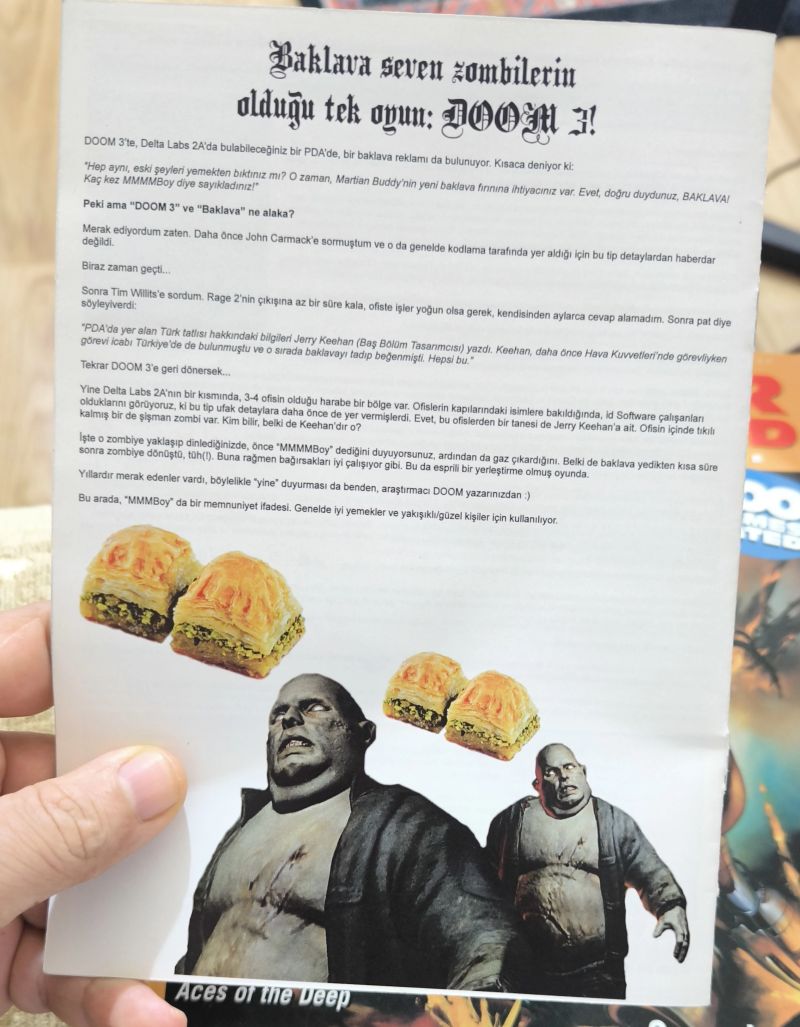
MS: DOOM 3’teki PDA’ler için metinleri sen hazırlamıştın diye hatırlıyorum. Özellikle baklava detayı ilgimi çekmişti. Biraz detay verebilir misin, nasıl bir süreçti?
JK: Ekipteki diğer arkadaşlarımla birlikte PDA’lerdeki pek çok şeyi yazdım. Bazı şeyler sırf komiklik olsun diyeydi. Pek çok şey ise oyunculara yardım amaçlıydı. Örneğin, kilitli dolapların kodları gibi. Silahlarla ilgili şeyler yazarken çok eğlendim. Ek olarak, oyunun açılış diyaloğunda bir detay var ve arka planı pek bilinmiyor. Üsse doğru geldiğiniz uzay gemisi, Mars’taki kuleyle iletişim kurduğunda “Darkstar” olarak bahsediliyordu hani. Darkstar, ben USAF’dayken kullandığım çağrı adlarından bir tanesiydi.
Ve gelelim baklava hikâyesine!
Gerçekten özel bir şey yok aslında, bir süreliğine şaka halini de almıştı. İş ortaklarımız, her Noel’de ofise büyük paketler gönderirdi. İçlerinde içecekler, meyveler, kurabiyeler ve daha pek çok şeyin olduğu paketlerdi. Bu şirketlerden bir tanesi de her zaman lezzetli baklavalar gönderirdi ama ofisteki kimse yemeye cesaret edemezdi! id’deki ilk Noel dönemimde, bir gün ofisin mutfağındaydık ve sanırım biri baklavayı çöpe atmak üzereydi ve ben de “Hey, yavaşla, acele etme bakalım!” diyerek durdurdum. Ve o andan sonra, her sene baklavalardan keyif alan tek kişi ben olurdum!
MS: Hava Kuvvetleri’ndeyken bir keresinde İstanbul’a gelmiştin. Biraz bahseder misin, nasıl bir deneyimdi?
JK: Vay, bu yıllar önceydi! Ayrıca, bunu nereden biliyorsun merak ettim? Neyse, vaktimin çoğunu İncirlik Müşterek Hava Üssü’nde geçirdim. Dışarıya çıktığımda ise mağazaları gezmek ve yerel halkla tanışmak keyifliydi. Oldukça öğretici bir deneyimdi! İki farklı kültür ve baklava orada hem taze ve hem de lezzetliydi!
MS: Türkiye’ye geldiğini Tim Willits’ten öğrenmiştim. Çünkü DOOM 3’teki baklava unsurunu merak ediyordum, dediğim gibi. Neyse…
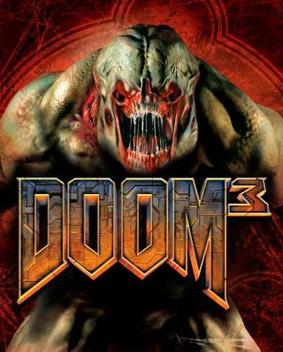
DOOM 3’te, Mars’ta yaşamış eski bir uygarlıktan ve efsanevi bir savaşçıdan bahsediliyordu. Savaşçı (yani DOOMguy), elindeki Ruh Küpü (Soul Cube) ile resmediliyor ve cehennem güçlerini yok etmek için bu silahı kullandığı söyleniyordu. Yeni DOOM oyunlarındaki detaylar ile DOOM 3’tekiler arasında bir bağ var mı?
JK: DOOM serisinin yeni üyelerini hazırlarken DOOM lore’unu her zaman göz önünde bulundurduk. Bazı noktalardan fazlasıyla yararlandık ama bazılarını da dokunmadık. DOOM Marine (DOOMGuy ya da Slayer), Mars ve UAC, DOOM serisi için her zaman vazgeçilmez unsurlar olmuştur. Hikâye anlatımı tarafında bunu buz dağının görünen kısmı olarak düşünebiliriz. Suyun altında ise daha fazlası var. Oyunlardaki kodekslerle pek çok detay sunuyoruz. Hayranlar, pek çok detayı bir araya getirerek yapbozu tamamlayabiliyor ki bu harika bir şey! Tabii hikâyenin devamı için bazı şeyleri de açık uçlu bırakmaya çalıştık.
MS: Özellikle DOOM 3 ve RAGE dönemlerinizi merak ediyorum. Çünkü id Tech 4 ve id Tech 5 gibi farklı ve çok gelişmiş teknolojilerle yol alıyordunuz ve id Software da hâlâ bağımsız bir stüdyoydu. Ufak bir ekip olarak kimsenin sahip olamadığı çığır açan teknolojilerle yol almak nasıl bir duyguydu?
JK: DOOM 3 ve RAGE arasındaki teknoloji geçişi, dönemi için muazzamdı. DOOM 3’te çalışmak, bir bölüm tasarımcısının rüyasıydı – normal haritalar ve gerçek zamanlı aydınlatma! Her ne kadar performans sorunları olmasın diye katı kısıtlamalara uymak zorunda kalsak da her şeyin harika görünmesini ve oynanmasını sağlamak çok daha kolaydı. Gerçek zamanlı olmasından bahsetmiş miydim! Artık o uzun harita derleme süreleri geride kalmıştı!
RAGE ise gerçek zamanlı geliştirmeden tamamen uzaklaşmak demekti. Pek çok noktada, teknolojik açıdan yeni sınırları zorluyordu. Ama geliştirme tarafında, uzun harita derleme süreleri yine işkence gibiydi. RAGE, ofisimizdeki çok güçlü makinelerimizde inanılmaz görünüyor ve oynanıyordu. Ama kısıtlamalar sebebiyle pek çok oyuncu böyle bir deneyimi yaşayamadı.
MS: DOOM 3 için PC’de pek çok güncelleme hazırladınız ama bildiğim kadarıyla Xbox versiyonu için hazırlanan Co-op modunu resmi olarak PC tarafına getirmediniz. Neden?
JK: Xbox için hazırladığımız Co-op modunu PC versiyonuna da getirmeyi düşünmüştük. O sıralar böyle bir modu Xbox’da yapabilmek için pek çok ek çalışma gerekmişti. Bu yüzden başka bir stüdyo ile ortak çalışmalar yürütmüştük. Bölümlerin Xbox’da sorunsuz çalışabilmesi için pek çok yeni düzenleme ve optimizasyon çalışması gerekmişti. Tabii bunlar çok fazla ek iş demekti. Dolayısıyla bu tip sorunlar, PC versiyonunu yapmama kararımızda belirleyici rol oynadı. Zaten o sıralar tüm ekip olarak gücümüzü RAGE için kullanmamız gerekiyordu.
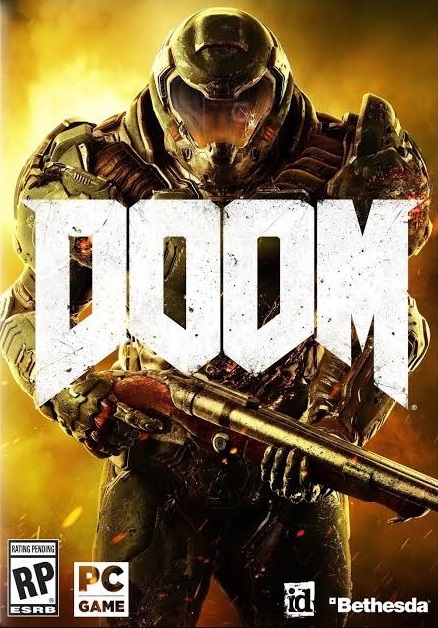
MS: Yeni DOOM üçlemesiyle birlikte koridorları geride bırakarak daha önce görülmemiş geniş arazilere adım attık. Bu nasıl hissettirdi?
JK: DOOM 2016’da bölüm tasarımları için ne yapacağımızı kavramamız biraz zaman aldı. Pek çok şeyi yeniden hayal ederek yaptık ve sonunda yeni planlanan gameplay ile büyük bölüm tasarımları arasında harika bir denge oluşturduk. Sanatsal taraftan bakıldığında DOOM evreninde işler her zaman zordur. Çünkü her şeyin ölçeği kendine hastır ve gerçekçi olmalı diye bir kural da yoktur. Bizim için kilit noktalardan bir tanesi, tutarlı olmaktır.
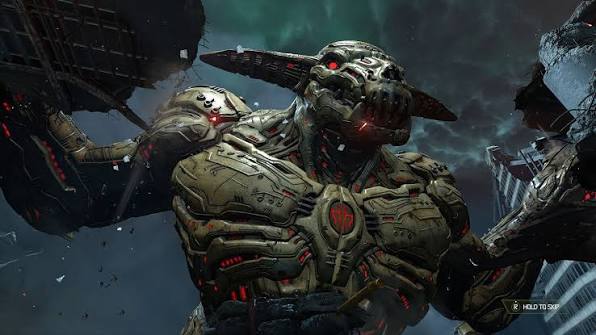
MS: DOOM Eternal’ın final görevi, “Final Sin” için farklı yaklaşımlar düşünmüş müydünüz? Örneğin, her zaman düşündüğüm bir şey: Önce, çatı seviyesinde savaşıyorsun. Sonra, binalar yıkılıyor ve Icon’un depo gibi bir yerin duvarına zincirlerle asıldığını görüyorsun. Yani bir nevi DOOM II finalinin modernize edilmiş versiyonu gibi. Böyle bir şey düşündünüz mü hiç?
JK: Bu bölüm üzerinde çok çalıştık ve pek çok kez değişiklikler yaptık. İşin zor kısmı, ‘Icon of Sin’in çok büyük olmasıydı. Bölümler büyüse bile, Icon’un artık dünyada olduğunu ve bu tehdidi mantıklı kılacak bir ortama ihtiyacımız vardı! Böylelikle büyük gökdelenleri olan bir şehir seçtik. Böylece dünyada olduğumuz ve Icon’un peşine düştüğümüz konusunda hiçbir şüphe kalmadı. Ek olarak bence bu, harika bölüm tasarımı için uygun arka planı sağlamış oldu.
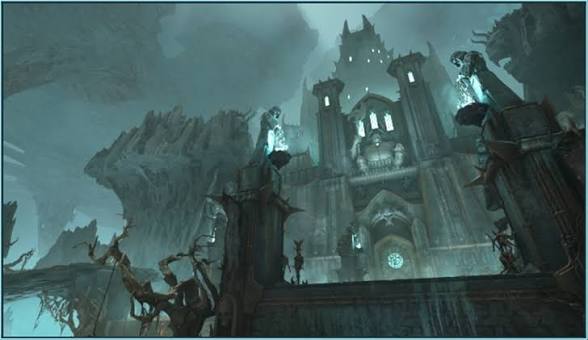
MS: DOOM The Dark Ages’daki “Harbor of Souls” bölümü hakkındaki düşüncelerinizi merak ediyorum. Bence pek çok açıdan harika bir fikirdi. DOOM Slayer’ın ödemeyi çift başlıklı kırmalı tüfeğiyle yapması müthişti. Biraz bahseder misiniz? Sonuçta sürekli ölümden dönen bir kahramana pek sık rastlamıyoruz.
JK: Tüm bölümlerde olduğu gibi bu bölümü de pek çok kez elden geçirip yeniden tasarladık. Yeni tasarımcılarımızdan biri olan Holden Stevens, başta bu bölümü ‘River of Styx’ olarak hazırlamıştı. Harika bir iş çıkardı! Oynanabilirlik, harita tasarım detayları ve görsel tasarım detayları, favorilerim arasında! Sonunda bu bölüm, cehennemden geri dönüş yolu oldu.
Not: Stiks Nehri, Yunan mitolojisinde canlıların dünyası ile ölülerin dünyasını birbirinden ayıran kutsal ve ürpertici yer altı nehridir.
Ek olarak Final DOOM’da TNT: Evilution’ın 29. bölümünün adı da River Styx’tir. YouTube’da oynanış videolarına bakabilirsiniz.
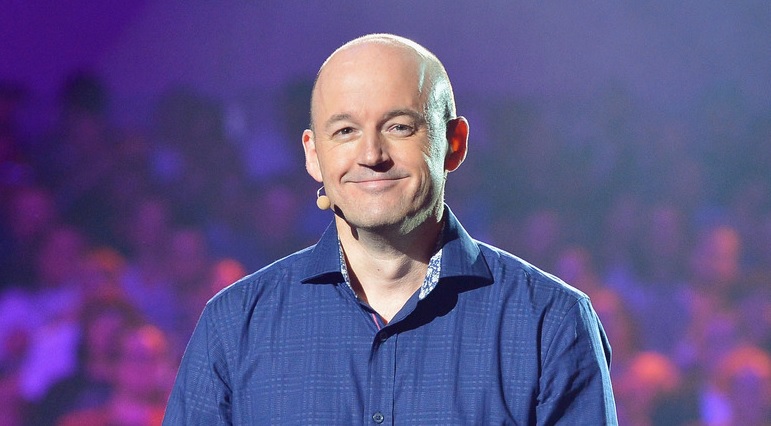
MS: id Software’da harika bir kariyerin olduğunu düşünüyorum. 20 yılı aşkın sürede pek çok farklı döneme tanıklık ettin. Peki stüdyodaki yönetim şekilleri hakkında ne düşünüyorsun? John Carmack, Tim Willits ve Marty Stratton… Nasıldılar sence? Tim Willits senin için bana “Dünyanın en iyi insanı” demişti, örneğin. Onla çalışmak nasıldı?
JK: id Software’da John, Tim ve Marty gibi devlerle çalışmak, gerçekten de hayatta bir kez elinize geçebilecek büyük bir ayrıcalıktı!
John, tüm zamanını kodlama yaparak ve sıradaki büyük sıçramayı kodlayarak geçirirdi. Biz de onu takip ederdik.
Tim ve ben, bugün de arkadaşız ve onunla çalışmak harikaydı! O, gerçekten harika bir tasarımcı ve kendi ifadesiyle “Ortaya harika işler çıkar”mam noktasında bana güvendi.
Marty de arkadaş olarak gördüğüm bir diğer isim ve biliyorum ki onun bir numaralı önceliği her zaman stüdyoyu en iyi seviyeye taşımak oldu. Onunla da çalışmak harikaydı! Bana her zaman id Software’in vazgeçilmez bir parçasıymışım gibi davrandı.
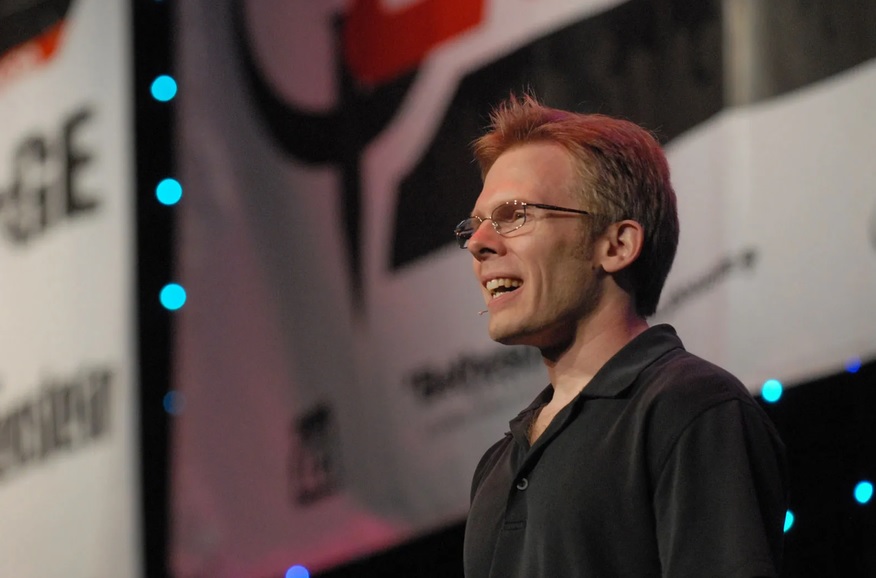
MS: Microsoft’un satın alımının ardından id Software’ın yönetim şeklinde bir değişiklik olduğunu hissettin mi? Ya da özgürlüklerde kısıtlamalar? İnternette bu tip şeyler okumuştum.
JK: Hayır, yönetimimizde dikkat çekici bir değişiklik olmadı ve herhangi bir kısıtlama olmadı, özellikle de oyunlarımızın yaratıcı tarafında. id’in itici gücü her zaman olabildiğince iyi oyunlar yapmaktı ve bu hâlâ geçerli.
MS: DOOM The Dark Ages’ın ilk DLC’si Revelations’ta baştan sona çalıştın. Sence süreç nasıldı? Bu esnada diğer stüdyolarla ilgili üzücü haberler de geliyordu tabii, işten çıkarmalar ve kapatılmalar gibi.
JK: Revelations DLC’sinde çalışmak gerçekten bir ayrıcalıktı! Tıpkı ana oyun Dark Ages gibi bu oyunda da son bölümü tasarladım ve inşa ettim.
Ekibin ortak noktada birleştiği özgün fikirlerden bir tanesi, oyuncunun bölümleri tekrar ziyaret etmesini ve farklı yollar kat etme isteğini oluşturabilmekti. Başta bir yer görürsünüz ama hemen ulaşamazsınız ve ulaşmak için de daha sonra farklı bir imkânınız olur ya hani, işte bu tip bölümleri yapmayı her zaman sevdim. Böylece bunu, DLC’de bölüm tasarımının ve oynanışın kendine has bir unsuru yapmak istedik.
Stüdyolardaki işten çıkarmalar ise her zaman çok üzücüdür!
MS: Revelations’ın üzerinde bir yıl çalıştıktan sonra, çıkış gününde kutlama yapmak ve oyunculardan gelen yorumları okumak harika olurdu, değil mi? Ama bunun yerine id Software’ın neredeyse yarısı işten çıkarıldı. Kendi adıma konuşmam gerekirse, bu haberi gördüğümde DLC’yi doğru düzgün oynayamadım bile başta. Çünkü aklım, işten çıkarılanlarda ve stüdyodaydı. Eminim çok üzüldün. Bu haberi aldığında ilk düşündüğün ne oldu?
JK: Bir yapımı bitirmek ve sunmak, her zaman çok tatmin edici bir his verir. Üzerinde uzun vakit harcadığınız o şey, artık oyuncuların ve hayranların ellerindedir! Tabii herkesin oyunu sevmesi ve taktir etmesi umulur.
İşten çıkarmalar nasıl olursa olsun, bunun id Software tarihindeki en zor kararlardan bir tanesi olduğuna fazlasıyla eminim! Kendi hatam olmamasına rağmen, evet, id Software’da geçirdiğim zamanın sonuna geldiğim için çok üzgündüm! Hem de yıllarca birlikte çalıştığım pek çok meslektaşımla birlikte.
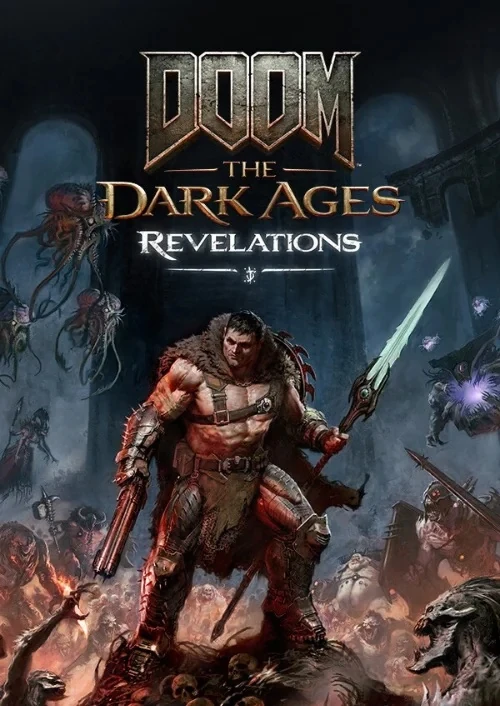
MS: Ben dahil pek çok oyuncu, DOOM The Dark Ages’ın DOOM Eternal’dan bu yana yapılmış en iyi single player FPS olduğunu düşünüyor. Bunun için tebrikler! Şimdiye kadar 330 saatin üzerinde oynadım ve oynamaya da devam ediyorum. Ama bazı oyuncular, multiplayer’ın olmaması, kutuda CD’nin olmaması ve oyunun ilk günden GamePass’e gelmesi sebebiyle oyunun satışlarının zarar gördüğünü ve bunun da işten çıkarmalara yol açtığını düşünüyor. Bence de ilk günden GamePass’e gelmesi oyunun satışlarına zarar verdi. Ne dersin? Microsoft sizinle satış rakamlarını paylaşıyor muydu?
JK: Sen dahil pek çok kişinin DOOM The Dark Ages’ı gerçekten sevdiğini duymak harika! Microsoft’un ticari kararlarına geldiğimizde ise, bu kararların hiçbirinde yer almadım ve bu konuda gerçekten kesin bir şeyler söyleyemem.
MS: Sence DOOM 2016 finali ve DOOM Eternal başlangıcı arasında geçen sinematik bir DOOM oyunu yapılmalı mı? Slayer’ın olmadığı, insan direnişine odaklı bir serüven?
JK: Dürüst olmak gerekirse, bunu daha önce hiç düşünmemiştim. Ancak az önce de belirttiğim gibi, serinin gelecekteki genişlemesi için her zaman hikayede yeterince ucu açık nokta bırakmaya çalıştık.
MS: id Software’da pek çok harika oyunda çalıştın. Peki kişisel favorin hangisi ve neden?
JK: Hepsi! Yine de DOOM 3, hâlâ favorilerim arasında yer alıyor. Çünkü bir bölüm tasarımcısı olarak yapılacak çok şey vardı ve id Software’da çalıştığım ilk oyundu bu! Ardından da muhtemelen DOOM 3 BFG Edition geliyor. Çünkü Tim, projeye liderlik etmemi istemişti. Bu, id Software’dayken bölüm tasarımcısı ekibine liderlik ettiğim, anlatıyı ve hedefleri oluşturup diğer üç bölüm tasarımcısıyla birlikte bölümleri hazırladığım ilk deneyimdi. Ek olarak sadece oldukça az miktarda animasyon, yeniden renklendirme ve yazılan diyaloglar için seslendirme desteği almıştık. Ayrıca DOOM 2016 ve DOOM Eternal için bölüm tasarım ekibine liderlik etmekten ve pek çok bölümde çalışmaktan da büyük keyif aldım!
MS: id Software’ın geleceği hakkında ne düşünüyorsun? Pek çok yorum, stüdyonun gücünü kaybettiği yönünde.
JK: Umuyorum harika oyunlar yapmaya devam edebilirler. Stüdyoda pek çok yetenekli ve becerikli isim var ve onlar için gelecekte sadece ve sadece başarı diliyorum!
MS: Peki, bu aralar neler yapıyorsun?
JK: Şimdilik kısa bir mola verdim ama yeteneklerimden yararlanmak isteyen bir stüdyoya ya da takıma dahil olmaktan mutlu olurum. Böylece insanların keyif alabileceği daha fazla oyunun yapılmasına katkı sunabilirim!
MS: Çok teşekkür ederim!
–
English version
“An interview with legendary Jerry Keehan”
–
Jerry Keehan is one of the legends of id Software. He designed levels, wrote narratives, and led development teams. For more than 20 years, he helped create many of the studio’s most memorable games.
Keehan’s journey began by creating maps for the original DOOM and DOOM II. He later worked on renowned franchises such as Medal of Honor and Delta Force.
And of course, his most significant stop was id Software, a pinnacle that only a select few in the industry ever reach.
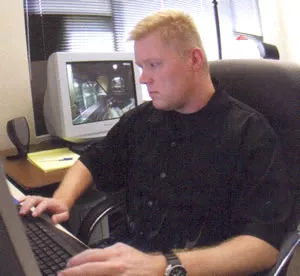
Mahmut Saral (MS): First of all, could you introduce yourself a little? Who is Jerry Keehan? What do you do and what do you enjoy?
Jerry Keehan: I’m currently 59 years old; married (35yrs), father of four, and grandfather of seven! I’ve been working in the game industry for roughly 26 years. Prior to that I was a member of the USAF for 14 years. Naturally, I enjoy my family very much, as for other hobbies I’ve been into video games since my first Atari 2600, and continue enjoying them until today!
MS: While you working as an Airborne Weapons Director, how did you get involved with 2015, Inc. for Medal of Honor: Allied Assault and working with Quake 3 engine?
JK: I initially started building levels at home for Doom and Doom 2, and stayed with it until I was fairly heavy into the modding scene when Quake 3 came out. I honestly didn’t even realize there was a potential to work in the game industry. My friends and I would play on levels that I had created and one of them told me that Tim Willits had put out a .plan file looking for level designers on a new project they would be starting. So, I sent a email to Tim which started me down the road to a reality I never thought possible – Level Designer at id Software! Because of my job (as a Weapons Director) in the USAF, it was a critically-manned career field, and sadly, I was not able to leave the Air Force early to take the job. Shortly after that time a level designer from 2015 contacted me through one of the modding community channels. He told me that 2015 was looking for levels designers for the then unannounced Medal of Honor project they had started working on for Electronic Arts. I ended up working contract with 2015 until my contract with the USAF was complete and then was offered a full-time position as a Level Designer.
MS: Medal of Honor was truly an important game for its time, but after that project most of the team left to form Infinity Ward and create Call of Duty. You, however, moved to Ritual Entertainment. Did you ever have the chance to join Infinity Ward? Could you tell us a bit about that period? By the way, Black Hawk Down Team Sabre at Ritual is my personal favorite.
JK: Oddly, the same level designer (now a good friend) who initially got in touch with me about 2015, after we finished Medal of Honor, he went to work at Ritual Entertainment. They also were in need of level designers and so I jumped at the opportunity to work at Ritual! I was offered a position at the newly developed Infinity Ward however, I had already accepted Ritual’s offer. I ended up leading the level design for Elite Forces 2. It was a Star Trek intellectual property, very tightly controlled by Paramount, but I remember us having a great time working on it. Additionally, I worked on what eventually became the ‘deleted scenes’ for Counter-Strike Condition Zero and the last project I worked on before leaving Ritual was the Black Hawk Down expansion.
MS: And then comes the transition to id Software. How did your joining process happen? Did you already know anyone at id before, and what were your thoughts about the studio prior to joining?
JK: Like the move from 2015 to Ritual, the same level designer left Ritual and joined the team at Electronic Arts. EA was wanting to get the devs from original Medal of Honor team back together for another version of the game called: Pacific Assault. A recruiter from EA contacted me and invited me out to the California studio to see if I would be interesed in joining them. At this time, I was still friends with Tim Willits and I let him know that I was going out to California to see what they were offereing. While flying back to Texas, I had decided that I would accept their offer. Tim contacted me immediately after I got home. I made him aware of that decision and he asked if I would postpone letting EA know and to give him a week to see if he can get me a position at id. Of course I said that I would! Three days later I got a call from Tim asking me “when can you start”? Working at id was a dream of mine since the beginning of this journey and it’s been a privilege to work there for nearly 23 years!
MS: When designing a level or mission, what are your main priorities and in what order do you approach them? Do you also use your reallife experiences in your work? Could you share a few examples?
JK: Designing a level is normally very contextual and subjective however, fun is ultimately what I think about when it comes to level design. By no means is this a comprehensive list nevertheless, I usually ask questions to determine level priorities maybe something like: How do I create the level or area to be believable and immersive? I find that believable tends to be more important than realism and can allow for more creative freedom. Will a player enjoy this space, and is it interesting to traverse? For a campaign or single player level, how much do I want the player to solve throughout the experience? For multiplayer what are the advantages and disadvantages needed to make up the spaces? What kind of combat do I want to support especially if its a level that will have combat? What do I need to do to make sure the player drives forward and is eager to discover the next area or level? Will the player feel like they’ve made progress or accomplished something on the journey? As for real-life experience, I’m particularly fond of architecture, especially giant old Gothic and Roman structures; the engineering and simplicity is somewhat fascinating.
MS: I remember you prepared the PDA texts in DOOM 3. What was that process like? I’m especially curious about the baklava detail.
JK: Along with others on the team, I did end up writing a bunch of what was in the PDA. Some of it was just comical, a lot of it ended up helping players discover secrets via cabinet codes, for example. I did have fun writing many of the weapons entries for the PDA. Also, a little known fact about the opening dialogue of the game, when the spacecraft you are flying in on, contacts the tower on Mars and the pilot identifies his call sign as ‘Darkstar’ – I used one of my actual call signs from when I was in the USAF. Now for the baklava story! It’s really nothing overly special however, it did become a running joke for some time. Every Christmas our vendors would send, to the office, large gift baskets with wine, fruit, cookies, and many other items. One of the companies would always send this delicious box of baklava. No one in the office would dare eat it! Around my first Christmas at id many of us were in the kitchen one day and I think someone was going to throw the box of baklava out and I was like; ‘whoa slow down with that!’ and from then on, every year, the baklava would show up, and I was the only one enjoying it!
MS: In DOOM 3, there were remnants mentioning an ancient civilization on Mars and a legendary warrior. It showed the warrior (Doomguy) using the Soul Cube to defeat the forces of Hell. Do you think the story told in the newer DOOM games could have been connected with these details from DOOM 3—or was that ever considered?
JK: We always looked at all the Doom lore to build and rebuild the latest iterations of the Doom franchise. Some portions we capitalized on and other we left alone. The Doom Marine (“Doomguy” or “Slayer”) Mars, and UAC have always been large staples of the Doom Franchise. For the narrative, think of it like an iceberg; what you get on top is very small compared to all that’s going on underneath the surface. We placed a lot of information within the actual game’s codexs, that allows players to uncover some of those story elements. I’ve heard several commentaries where fans have really pieced a lot of it together, which is fantastic! We’ve also tried to leave enough open to be able to continue the story.
MS: I’m particularly curious about your work during the DOOM 3 and RAGE era. Because there were unique technologies like id Tech 4 and id Tech 5, and id was still independent. What was it like working as a small team with cuttingedge tech that no one else had?
JK: The technology shift between Doom 3, and RAGE was significant at the time. Working on Doom 3, was a level designer’s dream – normal maps and real-time lighting! Although we were forced to adhere to strict performance concerns it was so much easier to make everything look and play great and did I mention real-time! No more lengthy map compiling! Rage was a complete departure from the real-time development. In many ways it was pushing new boundaries on the tech side, but on the development side, it became a lengthy ordeal compiling maps again. Rage did look and play amazing on our high-powered machines at the office with large amounts of memory and full resolution materials. Due to limitations, many that played the game didn’t get to experience it that way.
MS: You guys brought many updates to DOOM 3 on the PC side. There was the BFG Edition, even a VR version. But the Xbox coop mode was never officially brought to PC. Did you ever consider doing that?
JK: We definitely considered doing a PC version of the co-op that we created for the Xbox. There was a lot of work that went into getting it to run on the Xbox at the time. In fact, we partnered with another studio that did a large portion of the optimizations to make it run on the Xbox. I was tasked with making the levels and setting up all the game-play we ultimately used for the co-op missions. There was a considerable amount of work needed to make the game run on the Xbox including having to make the levels a certain way and redoing all the materials due to memory constraints. Some of these issues were ultimately the determining factors as to why we chose not to do the PC version. Plus, it was all hands on deck needed to be working on RAGE at that time.
MS: With the new DOOM trilogy, taking DOOM out of corridors and into vast, unseen landscapes—what was that feeling like?
JK: It took awhile to get our footing on the level layouts for the new Doom(2016) We had a bunch of re-imagining to do. Ultimately I believe we landed in a great spot balancing all the newly planned game-play and the decision to go broader and bigger with the level design. Artistically, it’s always difficult in the Doom world since the scale of everything is unique and not necessarily realistic – one of the keys for us was to simply be consistent.
MS: For the DOOM Eternal mission “Final Sin”, did you guys ever consider alternate approaches? For example, I’ve always imagined: first fighting on the rooftop, then the building collapsing, the Icon staggering into a warehouselike area, chaining its hands to the wall, and finishing it like a modern version of the DOOM II Icon of Sin fight. Was something like that ever discussed?
JK: We iterated on that mission several times. The challenge was that the ‘Icon of Sin’ was massive, and even though the levels were getting larger, we needed a setting that would make sense that the ‘Icon of Sin’ was now on the earth threatening existence here! We chose a city with giant sky scrapers so there was no mistake that we were on Earth hunting down the Icon. Plus it provided the back drop for some really cool level design in my opinion!
MS: I’m curious about your thoughts on Harbor of Souls from DOOM The Dark Ages. I think it was a brilliant idea—the art, level design, and flow were fantastic. DOOM Slayer paying the toll with a shotgun was a great action. Can you tell us about the preparation process for this level? After all, we don’t often see a hero who constantly returns from death.
JK: Like all the levels, it went through it’s share of iterations. One of our newest designers, Holden Stevens, initially built that level as a ‘River of Styx’ level. He did a great job! The game-play, layout, and art of that map was one of my favorites! Ultimately the level ended up being the gateway back from Hell.
Note: In Greek mythology, the River Styx is the sacred and eerie underworld river that separates the world of the living from the world of the dead.
Additionally, “River Styx” is the name of Map 29 in TNT: Evilution (part of Final DOOM ). You can play or watch gameplay videos on YouTube.
MS: You had a wonderful career at id Software for over 20 years, witnessing many different eras. How would you describe the studio’s leadership over time? What were John Carmack’s, Tim Willits’s, and Marty Stratton’s management styles like? What worked well, and what was different? For example, Tim Willits once told me about you “The nicest guy in the world.” How would you describe Tim, and what was it like working with him?
JK: Working with the ‘giants’ at id, like John, Tim, and Marty was truly the privilege of a lifetime! John spent all of his time working on code and the next big thing so, we all simply followed where he wanted to take the tech. Tim and I are friends to this day and working with him was great! He truly is a great designer at heart and relied on me to, in his words: “make awesome stuff”. Marty is another that I consider a friend and I know his number one concern has been about making the studio the best it can be and working with him has been fantastic! He always treated me like a staple of id Software.
MS: After Microsoft’s acquisition, did you feel any change in the management style at id Software? Were freedoms restricted in any way? I’ve read comments about this online.
JK: No, there weren’t any noticeable changes regarding our management and there were never any mandatory restrictions placed on the studio, especially pertaining to the creative aspect of our games. id’s driving factor has always been and continues to be: make the games as good as possible.
MS: You worked on DOOM The Dark Ages’ first DLC, Revelations, for a year. How was that process—was it enjoyable? At the time, there were sad news stories about other studios layoffs and studio closures…
JK: Working on the Revelations DLC, was truly a privilege! Like the main campaign, Dark Ages, I was able to design and build the last level of the game. One of the unique ideas the team landed on was to create a desire for the player to revisit the levels and traverse them a different way. I’ve always enjoyed designing maps that have spaces that you can see but cannot get to initially and then eventually you find yourself in that location, usually tied to some objective that makes sense. So for Revelations, we decided to do that as something unique to the levels and game-play. As for studio layoffs and closures, its always very saddening if that happens!
MS: After working on a game for a year, celebrating on release day and reading player feedback must have been wonderful, right? But instead, nearly half of id Software’s team was laid off. That was terrible. Personally, I couldn’t play the DLC at first, because I was thinking about those layoffs and the studio’s future. I’m sure you were deeply saddened. What went through your mind when you first heard the news?
JK: Finishing and releasing any title has always been very satisfying. What you have spent so much time on is now in the hands of players and fans! The hope is always that everyone will enjoy and appreciate the game. Regardless of how any of the layoffs happened, I’m very confident that it was likely one of the toughest decisions anyone has ever made at id Software! Through no fault of my own, yes, I was deeply saddened that my time at id had come to an end! Along with many of my colleagues that I’ve worked with for many years.
MS: For many players including myself, DOOM The Dark Ages is the best singleplayer DOOM since DOOM Eternal. Congratulations on that! I’ve played over 330 hours and still continue. But some players think the lack of multiplayer, no physical CD in the boxed version, and the fact it launched dayone on Game Pass hurt sales, leading to layoffs. What’s your view? Did Microsoft share sales numbers with you guys? As far as I know, id Software only posted that the game reached 3 million players on Game Pass. Personally, I think the dayone Game Pass release negatively affected sales. Was that Microsoft’s decision?
JK: Excellent to hear that so many people, including yourself, really enjoyed DOOM The Dark Ages! As for all of Microsoft’s business decisions I was never part of those decisions and cannot really speak with certainty about that subject.
MS: Do you think there should have been a cinematic DOOM set between DOOM 2016 and DOOM Eternal, focusing on the human resistance without the Slayer?
JK: Honestly, I’ve never really thought about that. However, as I stated earlier, we’ve always tried to leave enough story open for future expansion on the franchise.
MS: You worked on many great id Software titles. Which of your projects are your personal favorites, and why?
JK: All of them! However, Doom 3 still remains one of my favorites simply because as a Level Designer, we had to accomplish so much required for the game and naturally because it was the first game I got to work on at id Software! The next would probably be the BFG edition for Doom 3. Tim asked me to head up that project and it was the first time (at id) to lead a team of level designers, create the narrative, objectives and build levels, along with three other level designers. The only other help we had was a very small amount of animation, re-coloring one of the delta labs material sets for the Exis Labs, and voice acting for the written dialogue. I also really enjoyed leading the level design team and working on several levels for Doom(2016) and Doom Eternal!
MS: What do you think the future holds for id Software? Many comments suggest the studio lost significant strength after so many experienced people were laid off.
JK: My hope is that they will continue to be able to make great games. There is a lot of skill and talent at the studio and I wish them nothing but success in the future!
MS: What are you doing these days? Do you want to continue in games or pursue another plan?
JK: I’m taking a small break for the moment however, I would like to find another studio or team that would be happy to utilize my talents to help create more games for others to enjoy!
Bonus Question:
MS: You once came to Istanbul while serving in the Air Force. Could you share a bit about that experience? What was it like?
JK: Wow, that was many years ago! Also, I’m curious as to how you know that?? Anyhow, I spent most of the time at the Incirlik Joint Air Base and enjoyed it when I was able to venture out to visit the shops and meet local people, it was a very good learning experience! Two very different cultures and the baklava there was fresh and delicious!
MS: Thank you!
Nathan Elmer İle Özel Röportaj: id Software, DOOM The Dark Ages ve Dahası Üzerine…